Join our CSR

NOFH plays a pivotal role in collaborating with Corporates and Multinational Corporations (MNCs) to enhance Corporate Social Responsibility (CSR) activities focused on food and health initiatives. This partnership aims to address various societal challenges while promoting sustainable development and community well-being.
Collaboration Objectives

  1. Aligning CSR Goals: NOFH collaborates with Corporates and MNCs to align CSR strategies with food security, nutrition, and health-related goals. This alignment ensures that CSR initiatives contribute meaningfully to addressing societal needs, such as hunger alleviation, malnutrition reduction, and promoting healthier lifestyles.
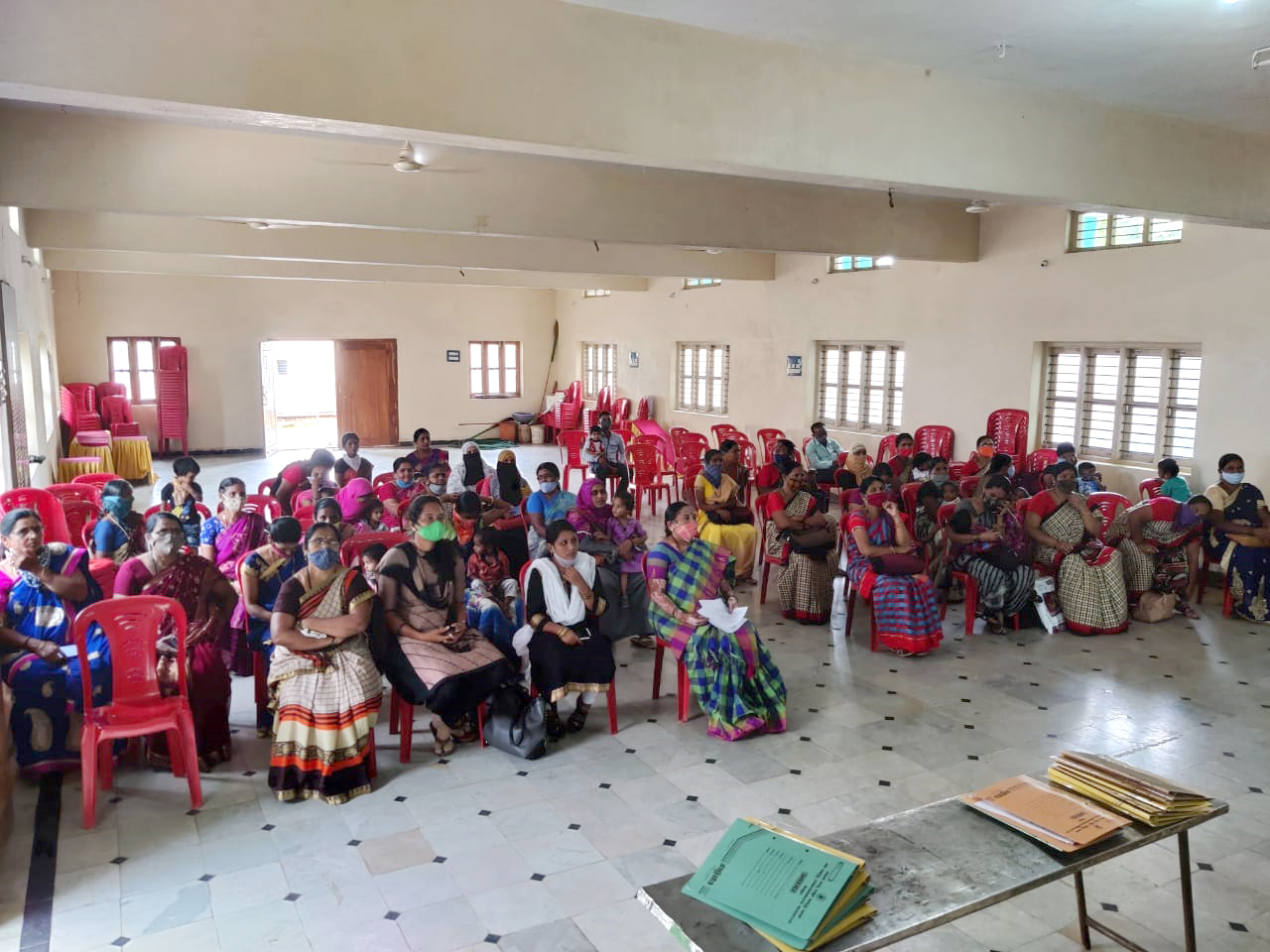
  2. Implementing Impactful Programs: Together, NOFH and Corporates/MNCs design and implement impactful CSR programs that leverage their combined resources, expertise, and networks. These programs may include initiatives such as nutritional education campaigns, food distribution drives, health screenings, and support for healthcare infrastructure in underserved communities.
  3. Promoting Sustainable Practices: CSR collaborations emphasize sustainable practices in food production, distribution, and consumption. This includes promoting environmentally friendly farming methods, reducing food waste, and supporting local agricultural economies to enhance food security and resilience.
  4. Capacity Building and Empowerment: NOFH works with Corporates and MNCs to empower communities through skill-building initiatives, vocational training programs, and entrepreneurship opportunities focused on food production, nutrition education, and healthcare services.
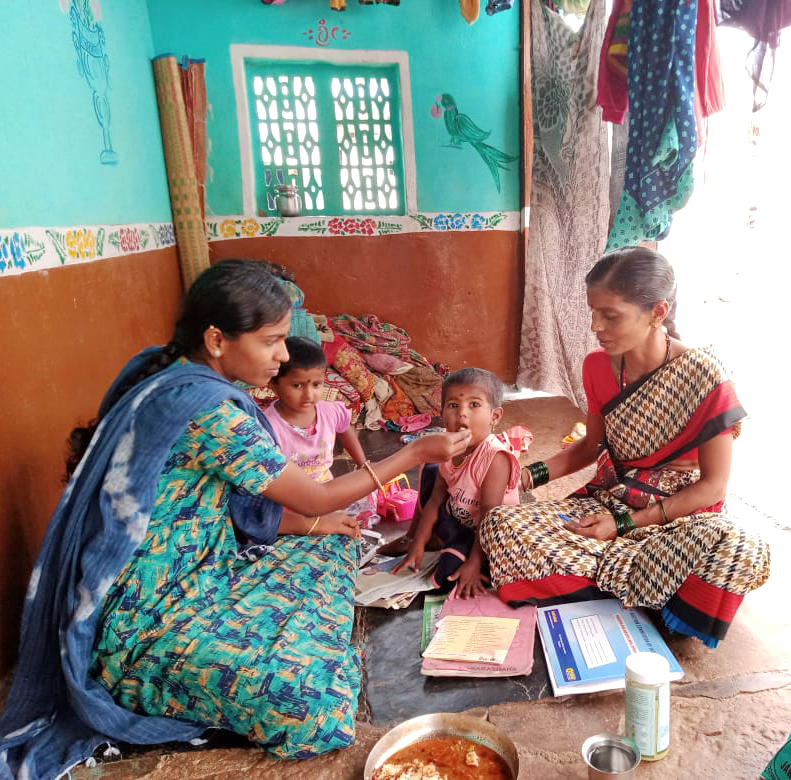
NOFH PVT LTD provides Organic Certified Moringa leaf powder to children suffering from malnutrition in the Koppal, Bagalkot, and Raichur districts of Karnataka. This initiative is part of a study trial and a project aimed at eradicating malnutrition. The study results indicate that NOFH's organic Moringa oleifera leaf powder significantly improved weight gain, height, hemoglobin levels, food intake, activeness, and overall health among malnourished children.

Check the reports

Click Here

Partnership Approach

  1. Strategic Planning and Consultation: NOFH collaborates closely with Corporates and MNCs in the initial stages to identify community needs, assess resources, and develop tailored CSR strategies. This involves conducting needs assessments, stakeholder consultations, and setting measurable goals for impact evaluation.
  2. Resource Mobilization: Corporates and MNCs contribute financial resources, in-kind donations, employee volunteerism, and technical expertise to support NOFH’s programs and initiatives. This collaborative approach maximizes the reach and effectiveness of CSR efforts, leveraging private sector capabilities for public good.
  3. Monitoring and Evaluation: Together, NOFH and its corporate partners establish robust monitoring and evaluation frameworks to track the progress and outcomes of CSR initiatives. Regular assessments ensure transparency, accountability, and continuous improvement in program delivery.
  4. Advocacy and Awareness: NOFH and its corporate partners collaborate on advocacy campaigns to raise awareness about food security, nutrition, and health issues. This includes engaging stakeholders, policymakers, and the public to foster a supportive environment for sustainable development goals related to food and health.

Impact and Sustainability

By working together, NOFH and Corporates/MNCs contribute to sustainable development goals (SDGs), particularly Goal 2 (Zero Hunger) and Goal 3 (Good Health and Well-being). The partnership not only addresses immediate community needs but also builds resilience, promotes economic empowerment, and creates lasting positive impacts on health and nutrition outcomes.

In conclusion, the collaboration between NOFH and Corporates/MNCs on CSR activities underscores a shared commitment to social responsibility, sustainable development, and improving the quality of life for vulnerable populations through innovative and impactful initiatives in food and health sectors.